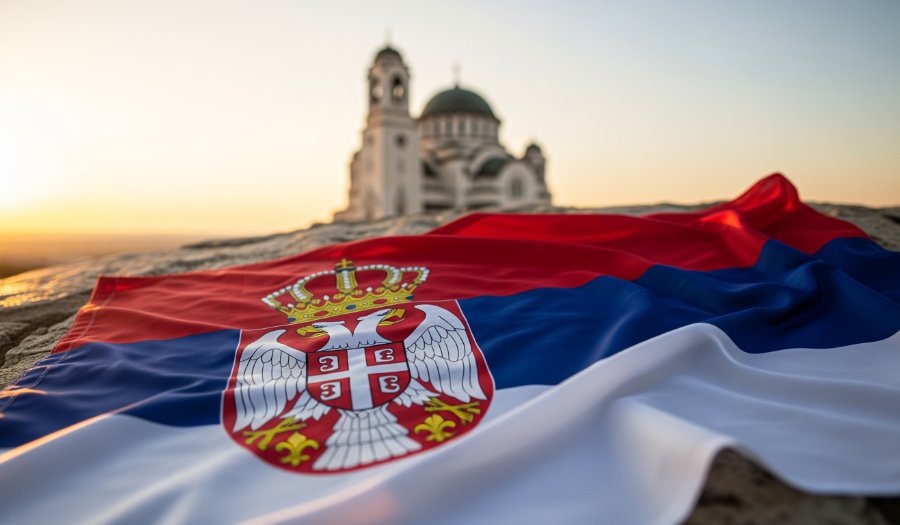
Vidovdan is more than a date. A key place in history, in tradition, in collective memory. At the same time, it is a spiritual compass in modern challenging times, and an eternal symbol of political and historical turning points. A day when Serbs do not rest, but remember what they have gone through to be what they are today. Here where they are today.
What fits into one Vidovdan
– 1389. Battle of Kosovo
– 1878. Beginning of the discussion on the Principality of Serbia at the Congress of Berlin
– 1881. Secret Convention with Austria-Hungary
– 1913. Beginning of the Second Balkan War
– 1914. Assassination in Sarajevo
– 1919. Signing of the Treaty of Versailles
– 1921. Vidovdan Constitution
– 1948. Break with the Cominform
– 1989. Speech at Gazimestan
– 2001. Extradition to The Hague
– 2006. Secession of Montenegro.
No other day in the entire year carries so much meaning. None is so difficult, nor so deeply inscribed in the national consciousness. Vidovdan is the history of a people compiled into a single date — and all that follows from it.
And at the heart that day: Kosovo and Metohija. And Prince Lazar.
A defeat that was experienced as a victory for centuries. A choice that grew into a vow. "To the earthly or heavenly kingdom?" is the question that lies behind every subsequent decision, every descendant, every new Vidovdan.
Vidovdan is also Svetovit
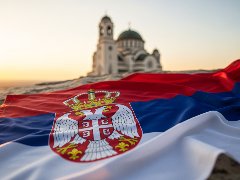
A Slavic deity of abundance and war, later a Christian saint. The one who sees. On the coat of arms of Serbia, it looks with all four firesteels - in all directions. At the heart of the symbol but also at the root of the name: vidoviti, vidovdan, vidovcica.
Vidovdan is also in customs
In some parts of Serbia, people wash themselves with vidovcica grass. In others, weaving is brought out into the open, as a proof of order, work and honesty. Somewhere there is silence - because it is a day of peace, remembrance, presence. According to old beliefs, rivers flow upstream at midnight and turn red. Girls search in their dreams for the one they will love. People search within themselves for what must remain.
RELATED CONTENT
Saint Nicholas is coming and these are the customs that are observed
Top 7 monuments in Belgrade that you must see
Today is Vidovdan
A small story about the great Pushkin
Taxi in Belgrade

The tourists are back in the city

Plum brandy - sljivovica inscribed on the UNESCO list